A History of Myatt’s Fields Park

From Victorian Vision to Community Triumph

Myatt's Fields Park is more than just a green space; it is a testament to the power of community. Opened in 1889 to give Londoners a place to breathe, the park has evolved from a Victorian gem into a pioneering, community-run estate. This is the story of how a group of determined residents turned a neglected space into the award-winning, vibrant hub you see today.

Rebecca Preston - October 2003
‘To the people gardens, and to the children playgrounds

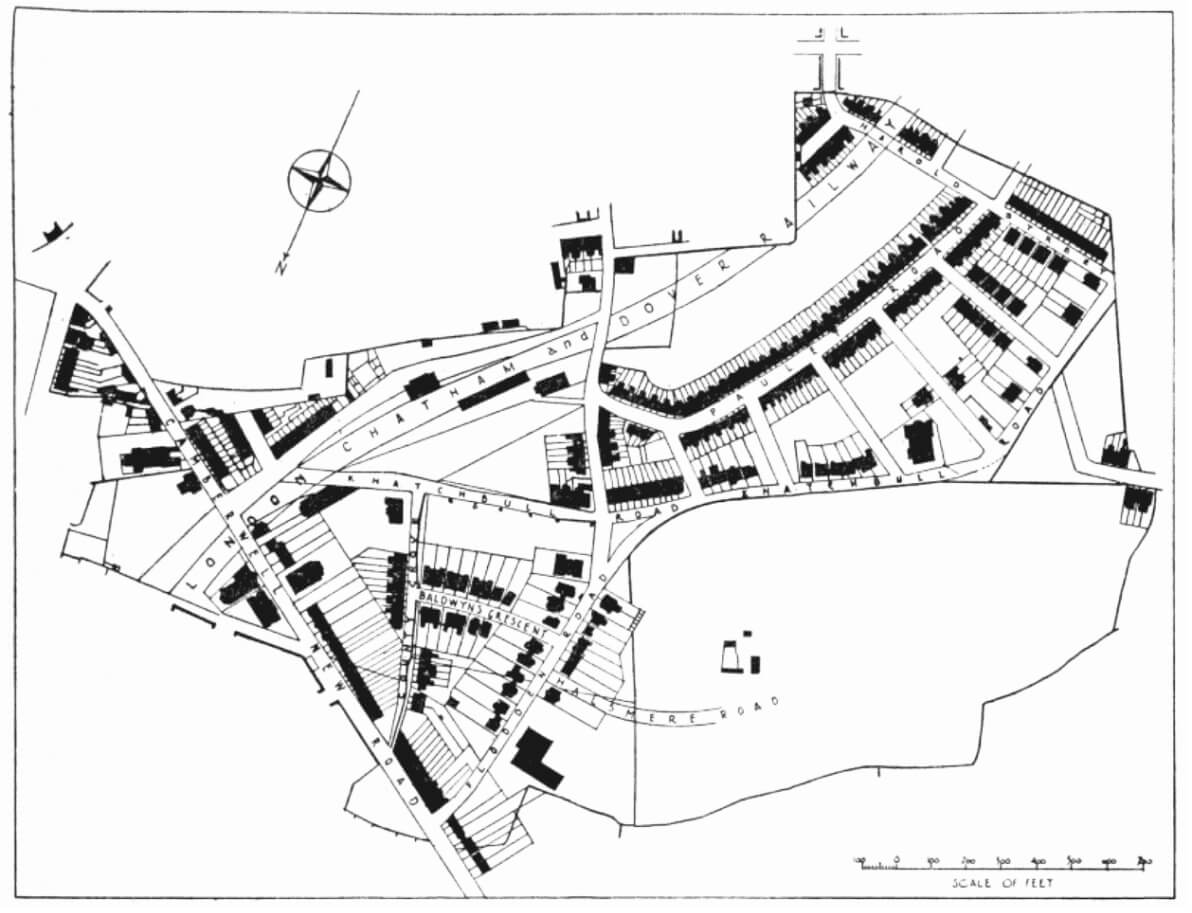
First opened to the public in May 1889, Myatt’s Fields Park has a rich and interesting history. It was originally part of a 109-acre estate, inherited by Sir Edward Knatchbull in 1745 and purchased by Hughes Minet in 1770. The Minet Family were Huguenots who fled to England from France in the late 1600s, to escape religious  persecution. At that time, the estate consisted of meadows, orchards and farmlands.

With the coming of railways to Camberwell in the 1860s, the demand for housing grew rapidly and the Minet family worked to ensure the estate was developed sympathetically in the interests of local residents. James Minet gifted the building of St James Church (now Black Roof Housing) in 1870 and in 1882 William Minet donated the land to create a new public park. He also built the original Minet Free Library and the Parochial Hall, now Longfield Hall, and planned and built the mix of town houses, terraces, schools and mansion flats that still surround the park.

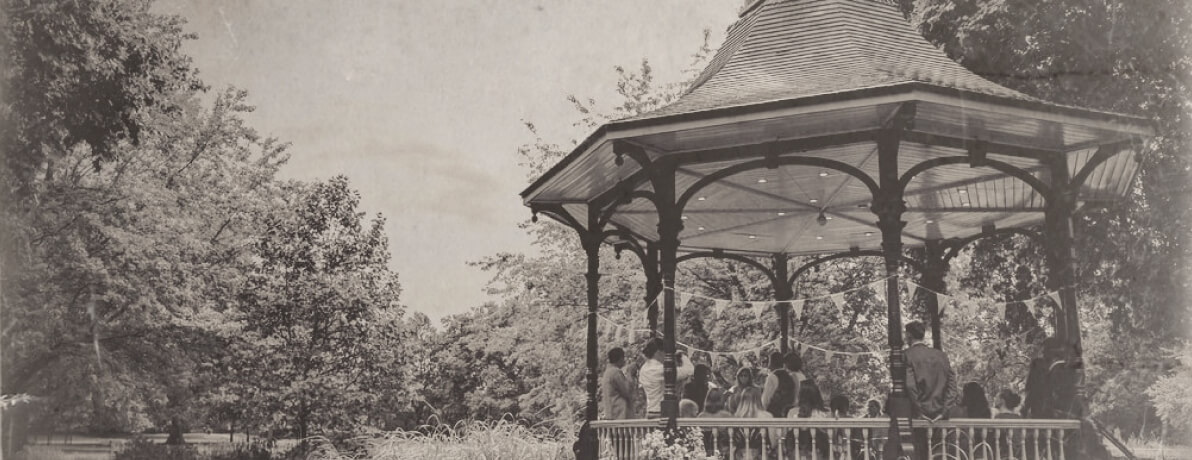
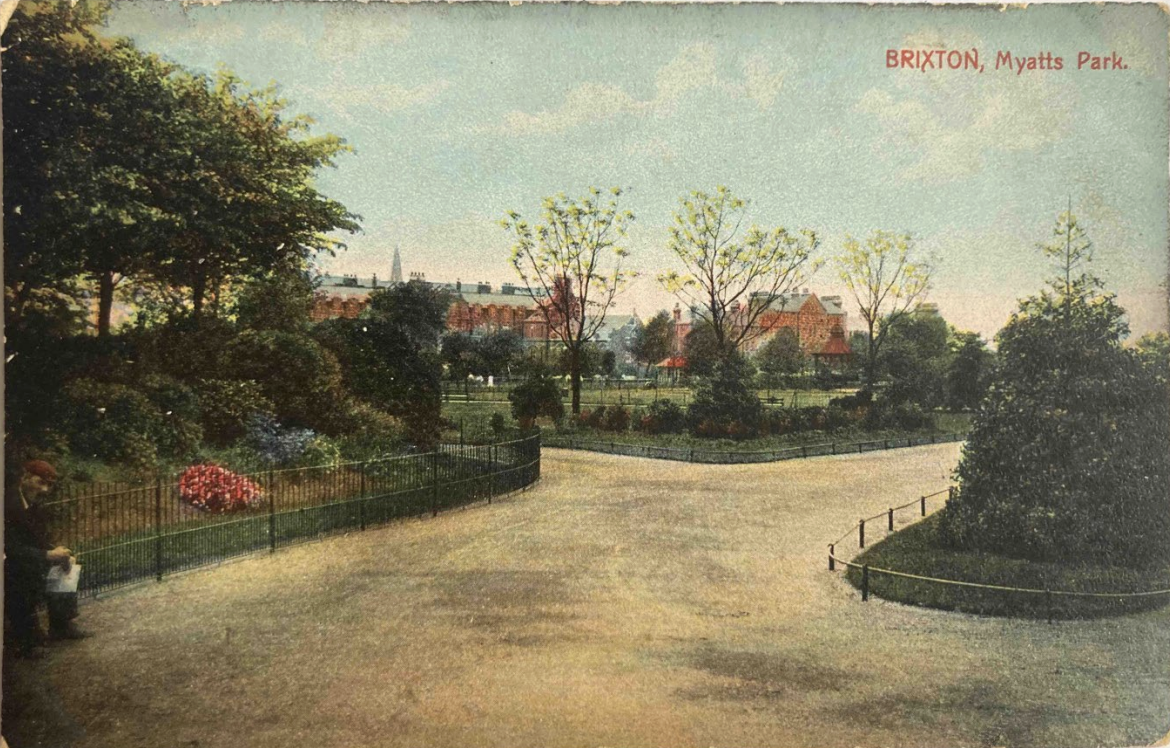
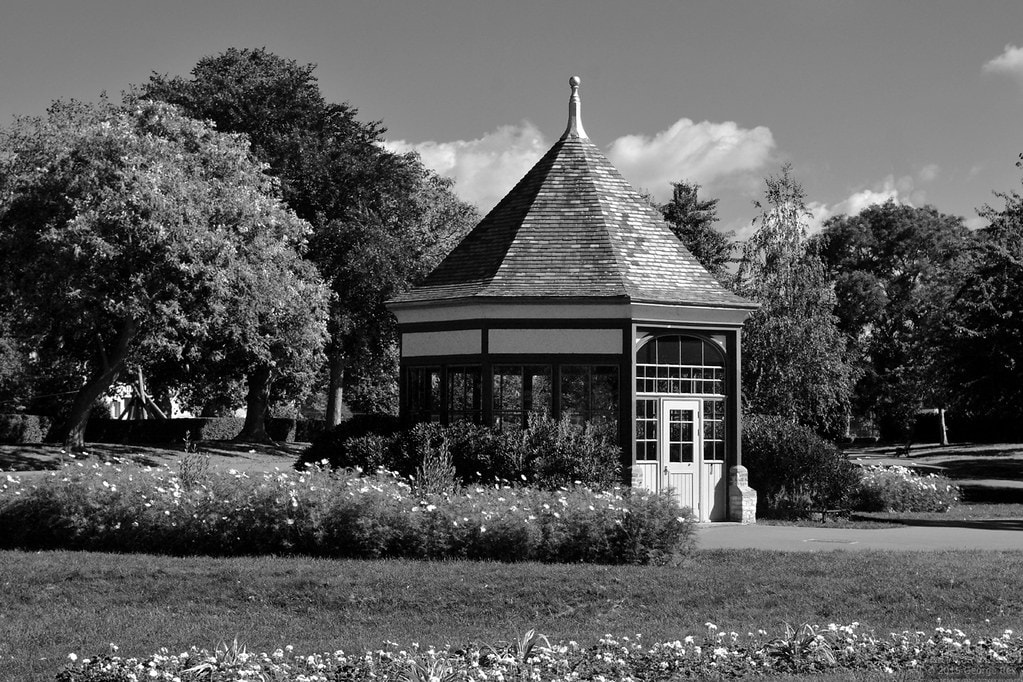
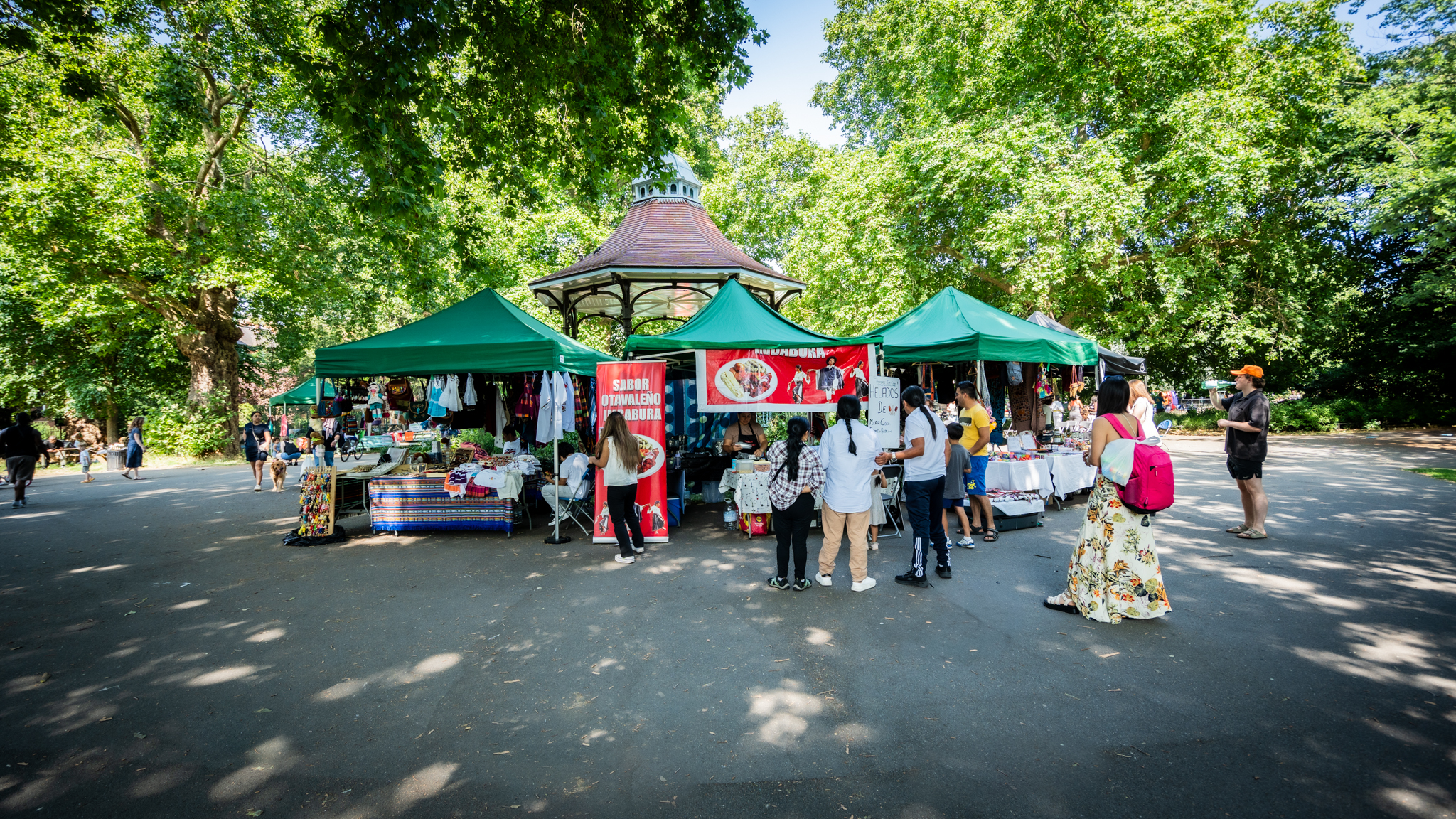
The park, which lies at the heart of the present Minet Conservation Area, is an unusual example of a surviving smaller-scale Victorian urban park. It is named after Joseph Myatt, a tenant market gardener, who grew strawberries and rhubarb here in the 19th century. The Park retains many of its original features including the layout of the paths, some of the flowerbeds, the bandstand and the roundhouse.

Fanny Wilkinson, one of the first professional women landscape gardeners and an active campaigner for women’s suffrage, designed the park. The park was laid out by the Metropolitan Public Gardens Association at a cost of £10,000, with help from a grant from the Lord Mayor’s Fund for the unemployed.

During World War I, the park housed a military hospital in huts and in World War II, trenches were dug to shelter local residents from bombing. In 1979, the Minet Estate became a Conservation Area, due to the efforts of local residents, with the support of the Minet family.

British History Online has also published an excellent summary.© Myatt's Fields Park Project

MFP History in a timeline

1889
A Victorian Vision

The park is officially opened to the public, created on former market garden land. Designed by Fanny Wilkinson, one of Britain's first professional female landscape gardeners, it stands as a perfect example of a Victorian-era park built to provide essential "fresh air" and green space for London's growing population. Its layout, with a bandstand and formal flowerbeds, reflects the classic design of the time.

1995
The Community Steps In

Facing a period of decline and neglect, the park's modern era begins. A dedicated group of local residents forms the Myatt's Fields Park Project, a charity with the ambitious mission to save, manage, and rejuvenate the park. This marks a pivotal shift from traditional council management to a pioneering model of community-led stewardship, ensuring the park is run for and by the people who use it most.

2011
Restoration and Renewal

After securing a multi-million-pound grant from the Heritage Lottery Fund, a major restoration project is completed. This monumental effort brings the park back to its former glory, restoring the historic Victorian bandstand, upgrading the sports facilities, and creating beautiful new play areas. The renewal secures the park's future and solidifies its status as a cherished and award-winning community hub.

2015 - today
A Community-Led Success Story

Success Story Building on the momentum of the restoration, the Myatt’s Fields Park Project (MFPP) solidified its role as the park's dedicated guardian. By 2015, the charity had moved beyond renovation to long-term stewardship, securing a unique management agreement with Lambeth Council. Today, the Project handles everything from daily horticulture to a vibrant events programme. It stands as a beacon of community power—employing local residents, supporting families through the LEAP partnership, and ensuring this historic space remains a safe, green sanctuary for everyone.